
Carrier Subtypes Explained: ILEC, CLEC, PCS, and What They Mean for SMS
· 9 min read
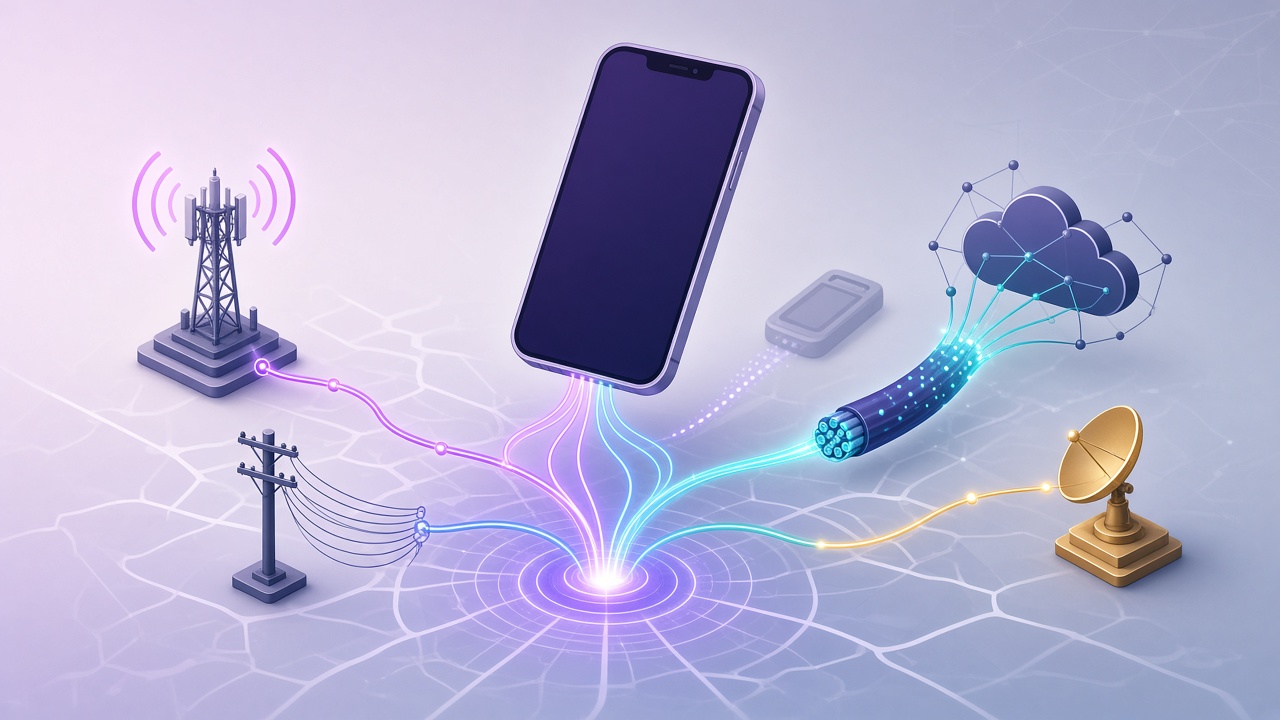
Open a carrier lookup and the first fields everyone reads are the obvious ones: is it mobile? which brand owns it? can I text it? Then a four-letter code shows up — PCS, CLEC, WRSL, IPES — and most campaign files treat it as decoration.
That code is carrier subtype. In SubscriberVerify it arrives as dipCarrierSubType, sourced from a live DIP (Dip Into the Network) lookup rather than a stale NANP assignment table. It tells you how the number is provisioned: incumbent copper, competitive local, licensed wireless, reseller, VoIP, paging, international. Brand names change. Porting shuffles owners. Subtype is the wiring diagram underneath.
This guide translates all 16 values from the carrier subtypes reference into routing language SMS, voice, and compliance teams can actually use.
Type vs. subtype vs. NANP — three different maps
A single lookup can look contradictory until you know which field answers which question:
| Field | What it answers | Watch-out |
|---|---|---|
nanpType / nanpCarrier | Original numbering-plan assignment | Porting makes this stale. Do not route SMS from it. |
dipCarrierType | Coarse class: mobile, landline, and similar | Too blunt for landline SMS, MVNOs, and VoIP. |
dipCarrier | Who currently serves the number | Brand vs. network vs. reseller can disagree. |
dipCarrierSubType | How that carrier is classified | This is the field that explains the others. |
If nanpType says landline and DIP says PCS, the number almost certainly ported to wireless. Trust DIP. That is the entire point of a real-time carrier lookup.
The 16 subtypes, grouped the way operators actually think
The documentation list is alphabetical by acronym. Campaign logic is not. Group subtypes by what you should do next.
1. Wireless natives — send if eligible
WIRELESS and PCS (Personal Communications Service) are the home turf of A2P SMS. PCS was originally a 1900 MHz license class; in DIP data it is the everyday label for a facilities-based mobile number. If smsEligible is true and the action is send, this is the row you wanted.
2. Wireless resellers — still mobile, different name on the jersey
WRSL (Wireless Reseller) and PCSR (PCS Reseller) are MVNO-style arrangements: Cricket, Metro, Visible, and hundreds of smaller brands riding Verizon, T-Mobile, or AT&T radio. The handset still receives texts. The trap is reporting. Your invoice, 10DLC throughput, and “which carrier is this?” dashboard may show the reseller, the host network, or both. Do not treat a WRSL row as landline just because the brand is unfamiliar.
3. The old phone company — landline until proven otherwise
ILEC (Incumbent Local Exchange Carrier) is the company that owned the copper before competition existed. RBOC (Regional Bell Operating Company) is the Baby Bell flavor of that story — the regional AT&T / Verizon landline empires after the original Bell breakup. ICO (Independent Telephone Company) covers the rural and independent telcos that were never part of the Bell System.
These numbers are voice-first. Some have been enabled for SMS by the incumbent or a messaging overlay. Guessing is expensive. Add landlinesmslookup=1 and read dipMessagingEnabled instead of blasting the list.
4. The competitors — mixed bag, often business or VoIP
The 1996 Telecom Act cracked the ILEC monopoly. The labels that came out of that fight still show up on lookups:
- CLEC — Competitive Local Exchange Carrier. Alternate local providers, including many business-phone and hosted-voice companies.
- ULEC — Unbundled Local Exchange Carrier. Service riding unbundled network elements leased from the incumbent.
- CAP — Competitive Access Provider. Originally dedicated access that bypassed the ILEC to reach long-distance networks.
- IXC — Inter-exchange Carrier. The long-distance layer (historically MCI / Sprint long distance, now a smaller slice of consumer lists).
- LRSL — Local Reseller. Wireline service resold without owning the last-mile plant.
On an SMS file, CLEC is the shapeshifter. It can be a storefront POTS line, a cloud PBX DID, or a number that looks “local” and routes like VoIP. Treat CLEC / ULEC / CAP / LRSL as confirm before send, not as mobile.
5. IP, ethernet, international, paging — do not autopilot
- IPES — Internet Protocol Enabled Services. VoIP and other IP telephony. SMS capability varies wildly by provider.
- ETHX — Ethernet Exchange. Wholesale ethernet interconnection. Rare on consumer SMS lists; investigate the record.
- INTL — International telecommunications provider. Confirm country, consent, and whether your 10DLC / toll-free setup even covers it.
- PAGING — Paging and messaging. One-way beepers and leftover paging networks. Do not spend A2P credits here.
A routing cheat sheet you can drop into a suppression rule
| If subtype is… | Typical next step |
|---|---|
WIRELESS, PCS | Follow smsEligible / action. This is standard mobile traffic. |
WRSL, PCSR | Treat as mobile. Map reseller vs. host network in reporting, not in send/no-send. |
ILEC, RBOC, ICO, LRSL | Run landline SMS lookup. Send only if messaging is enabled. |
CLEC, ULEC, CAP, IPES | Confirm line type and messaging. Many are business / VoIP DIDs. |
PAGING | Suppress from SMS. Credits will not come back. |
IXC, ETHX, INTL | Manual review. Unusual on U.S. consumer campaign files. |
Always pair subtype with the eligibility flags. A PCS number can still be deactivated, blacklisted, or a litigator. Subtype answers “what kind of pipe is this?” — not “is this person safe to contact?”
Why this field saves money (and arguments with finance)
Failed SMS is not free. Carriers still bill many undeliverable attempts. Landlines without messaging, paging endpoints, and mystery IXC rows are a quiet leak: they look like valid 10-digit numbers, they pass a regex, and they burn the same credit as a live Verizon handset.
Subtype also settles internal debates. Marketing sees “AT&T” and assumes wireless. Operations sees a CLEC OCN behind a hosted-voice provider. Finance sees a spike in failed messages on a “mobile” segment. dipCarrierSubType is the tie-breaker you can put in a spreadsheet.
What a lookup actually looks like
A successful DIP response might include dipCarrier: "Verizon", dipCarrierType: "mobile", and dipCarrierSubType: "PCS". That trio is the clean case: facilities-based wireless, SMS-shaped.
A harder row might show a small CLEC name, dipCarrierType: "landline", and dipCarrierSubType: "CLEC". Same 10 digits. Completely different send decision. Enable landline messaging lookup on that request and let dipMessagingEnabled decide — or suppress and keep the credits.
Need the underlying company IDs? The carrier map download lists carriers with their OCNs and types (WIRELESS, RBOC, CLEC, and so on). Subtype on a single lookup and type on an OCN in the map are the same vocabulary.
Full dipCarrierSubType reference
Values returned today in SubscriberVerify engine 2.0:
| Acronym | Full name |
|---|---|
ILEC | Incumbent Local Exchange Carrier |
ICO | Independent Telephone Company |
ULEC | Unbundled Local Exchange Carrier |
RBOC | Regional Bell Operating Company |
CLEC | Competitive Local Exchange Carrier |
CAP | Competitive Access Provider |
IXC | Inter-exchange Carrier |
WRSL | Wireless Reseller |
IPES | Internet Protocol Enabled Services |
ETHX | Ethernet Exchange |
INTL | International Telecommunications Service Provider |
LRSL | Local Reseller |
WIRELESS | Wireless |
PCS | Personal Communications Service |
PCSR | Personal Communications Service Reseller |
PAGING | Paging and Messaging |
Keep this table next to your integration, not as trivia. The moment a new lead source starts delivering CLEC-heavy files, you will want the acronym decoded before the first campaign goes out.
How to read subtype in your workflow
- Call the lookup API (or bulk validator) before the gateway or dialer.
- Store
dipCarrier,dipCarrierType, anddipCarrierSubTypeon the contact — you will need all three for reporting. - Route WIRELESS / PCS / WRSL / PCSR through your normal SMS eligibility rules.
- Send ILEC / RBOC / ICO / CLEC / IPES rows through landline messaging lookup or a hold queue.
- Hard-suppress PAGING. Review INTL, ETHX, and IXC before they touch a 10DLC campaign.
- Still run litigator and DNC checks. Subtype is not a consent signal.
The official subtype table is the source of truth for acronyms. This article is the operator’s translation: which codes are mobile-shaped, which are landline-shaped, and which should never have been on the list.
See subtypes on your own numbers. DIP carrier, line type, and dipCarrierSubType in one lookup. Start free · Carrier subtype docs · Bulk Phone Validator
Frequently asked questions
What is a carrier subtype?
A carrier subtype is the regulatory or provisioning class of the company currently serving a phone number. In SubscriberVerify lookups it is returned as dipCarrierSubType — values such as ILEC, CLEC, PCS, WRSL, and IPES — and it is more specific than a simple mobile vs. landline flag.
What is the difference between dipCarrierType and dipCarrierSubType?
dipCarrierType is the high-level line class (typically mobile or landline). dipCarrierSubType is the finer label: PCS vs. wireless reseller, ILEC vs. CLEC, IP-enabled vs. paging. Use type for coarse routing and subtype for deliverability, cost, and landline-SMS decisions.
What does PCS mean on a phone lookup?
PCS stands for Personal Communications Service. In DIP data it usually means a facilities-based wireless number on a licensed mobile network — the typical SMS-eligible handset. PCSR is the reseller counterpart.
Can I send SMS to CLEC or ILEC numbers?
Not by default. ILEC, RBOC, and ICO numbers are incumbent or independent landlines. CLEC numbers are often business or competitive local lines. Some landlines can receive SMS, but you should confirm with a landline messaging lookup rather than assuming they behave like mobiles.
What is a wireless reseller (WRSL)?
WRSL means the subscriber is on a wireless reseller or MVNO — a brand that rides another carrier's radio network. The number is usually still SMS-capable, but the displayed carrier name may be the reseller, the underlying network, or both depending on the registry.
Where is the full carrier subtype list?
SubscriberVerify publishes the complete dipCarrierSubType reference in API documentation under Carrier Subtypes. The live carrier map download also includes operating company numbers (OCNs) and their types.
Protect your next campaign. Start with 10,000 free lookups — no credit card required — or create an account with 100,000 lookups for $50. Explore LitigatorVerify Start Free Trial